Hedge Trimming in Shadwell
Hedge trimming in Shadwell should keep boundaries neat, growth controlled and planting healthy without turning a straightforward task into a heavy-handed cut. We focus on shaping hedges so they stay tidy through the season, with attention to the height, spread and density of each plant rather than applying one fixed approach. That means trimming for clean lines, light access and a finish that suits the garden, frontage or shared outdoor space.
Good hedge work starts with understanding what the hedge is doing. Some hedges need regular light trimming to hold a crisp outline, while others benefit from a more careful reduction because growth has become uneven. The aim is always to keep the hedge manageable, preserve enough leaf growth for recovery and leave a finish that looks intentional rather than rushed. Careful trimming can make a substantial difference to how orderly a property feels.
If you are planning hedge trimming in Shadwell, you can request a quotation after choosing the type of work you need. For a quick first step, gather a few details about the hedge height, length and access. When you are ready, send them through and ask for a quote in the most convenient way for you.
Regular hedge maintenance

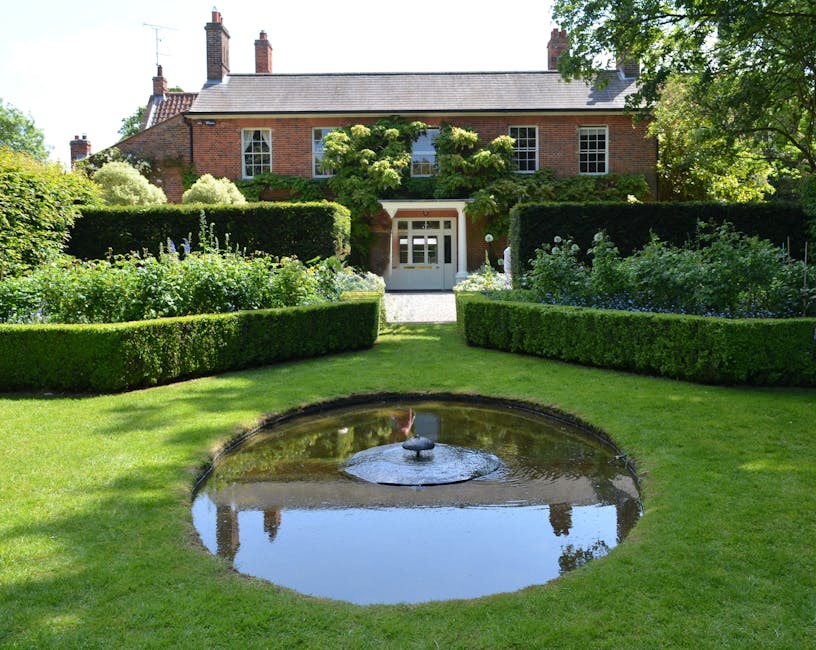
Many hedges benefit from repeated maintenance rather than occasional heavy cutting. Regular trimming helps hold their shape, encourages denser growth near the outer surface and reduces the need for corrective work later. It is often the best approach for decorative hedges, boundary runs and front-garden planting where a clean profile matters throughout the year. We can keep the work focused on symmetry, consistent height and tidy edges.
Maintenance trimming is usually about small, controlled adjustments. That may include reducing fresh growth, levelling the top, easing out protruding sections and refining the sides so the hedge sits neatly against paths, fences or walls. It is also where careful judgement matters most, because not every hedge responds well to the same treatment. Some varieties tolerate tighter shaping, while others need a more moderate cut to avoid stress.
For properties where the hedge defines the boundary, maintenance work can also help keep sightlines open and prevent the planting from encroaching on access routes. If you would like to compare options before going ahead, ask for a quotation and explain whether the hedge is mainly decorative, functional or both. A brief description is enough to start a sensible conversation about the right level of trimming.
Shaping, reduction and height control

Not every hedge needs the same finish. Some require shaping to improve balance, some need a reduction in overall size, and others simply need the top brought back under control. Trimming work is most effective when it respects the natural form of the hedge instead of forcing it into a shape that does not suit the planting. That is especially important where the hedge has grown unevenly due to shade, previous cuts or seasonal surges.
Height control is often one of the most useful parts of the service. A hedge that has become too tall can block light, feel heavy at the edge of a garden and look untidy even when the sides are neat. Bringing the height back carefully can restore proportion and make later maintenance easier. Where needed, reduction work can be paired with shaping so the finished hedge still looks balanced from end to end.
Well-timed trimming also helps avoid unnecessary strain on the hedge. Cutting back too much at once can leave sparse sections or slow recovery, especially on mature planting. We aim to trim with restraint where that is the better choice, keeping enough healthy growth to support a tidy, long-lasting result. If you want to discuss a one-off tidy-up or a more controlled reduction, ask for a quotation and we can help you decide what level of work fits the hedge.
Boundary hedges, garden lines and access routes
Boundary hedges often need a slightly different approach from ornamental hedges. They may run alongside pavements, driveways, rear access paths or shared edges, so the trimming has to be both neat and practical. Clean outer lines matter, but so does making sure the hedge does not spill into areas where people need to pass. That is where careful side trimming and even top lines become especially useful.
Where a hedge frames a pathway or entrance, the work needs to leave enough clearance without stripping away too much greenery. A hedge that leans into a route can make the space feel tighter and less well kept, while overcutting can leave it looking stark. The best result usually comes from measured trimming that improves definition while keeping the hedge healthy and appropriate for the space it occupies.
Useful hedge work is often as much about judgement as cutting. A tidy result can depend on which sections should be eased back first, how much growth can be removed safely and whether the hedge needs its sides squared off or softened slightly. If you are unsure what kind of cut your hedge needs, a short quote request is the easiest way to begin.
When a hedge needs more than a light tidy
Some hedges no longer respond well to simple topping and side trimming because the shape has drifted too far from where it should be. In those cases, the work may need a more considered reduction or a phased approach that improves the hedge without over-stressing it. This is especially relevant where older planting has become leggy, over-wide or uneven after several seasons of informal care.
A more involved cut should still aim for a sensible result. The hedge may need its height lowered gradually, thicker sections thinned carefully or awkward growth pared back in stages. The objective is not to make the hedge look severe, but to bring it back into a manageable form so future maintenance becomes easier. Where necessary, we can discuss whether a single visit or a lighter maintenance pattern is the more suitable option.
If you are comparing services, look at how the work affects the hedge over time rather than only how tidy it looks immediately after trimming. A good cut should support the plant, suit the property and leave enough structure for future shaping. When you are ready, request a quotation and describe the hedge as clearly as you can, including whether it needs tidying, reduction or a complete re-shape.
Preparing for hedge trimming
Two small details often make the process smoother: access and scope. If the hedge sits behind gates, along a narrow side return or close to planting you want to protect, it helps to mention that when asking for a quote. It is also useful to say whether you want a light trim, a broader reduction or a tidy finish across several hedges. Clear information at the start makes it easier to match the work to the right level of effort.
Photos can help, especially where the hedge is tall, extends across a long boundary or has sections that are harder to describe in words. A few pictures showing the front, side and top are often enough to give a practical sense of the job. If measurements are available, they can also help with planning. For the customer, the aim is simply to make the quotation request accurate and straightforward, not to prepare anything elaborate.
You do not need to over-explain the garden or list every plant nearby. A concise note about the hedge type, approximate length and the result you want is usually enough to begin. That keeps the focus on the trimming itself and avoids unnecessary back-and-forth. For the next step, ask for a quotation in the format that suits you best.
Shadwell and the local setting

About Shadwell
Shadwell is an area of East London in the London Borough of Tower Hamlets, positioned close to the River Thames and shaped by a long history of riverside trade, immigration and rebuilding. Its name is associated with a spring or “shad well†that was once known for fresh water, and the district later became closely linked with maritime activity and dockland development. The area stands between Wapping, Whitechapel and Limehouse, giving it a position that has long connected the City fringe with the East End. Shadwell Basin remains one of the most recognisable features of the district, a reminder of the former docklands that once dominated the riverside. The area also includes a mix of older terraces, post-war housing and newer development, which reflects the changing character of east London over time. St George in the East, one of Nicholas Hawksmoor’s London churches, is among the notable historic buildings nearby, and the area’s street pattern still carries traces of earlier growth around the docks and former lanes. Shadwell Overground and DLR connections help define the modern neighbourhood, while the riverside walkways, nearby open spaces and local streets give it a distinct urban scale. Its identity is shaped less by grand civic buildings than by layers of working history, housing change and the proximity of water, transport and neighbouring districts.
Trimming for different hedge types
Different hedge plants call for different cutting styles, and the finish should match the growth habit. Some hedges produce fine, dense growth and can be trimmed for a crisp edge, while others have broader leaves or looser structure and need a gentler hand. The same is true of established formal hedges and newer planting. Good hedge work pays attention to how quickly the plant regrows, how thick the stems are and whether the shape needs refining or rebuilding.
An experienced approach will also consider how the hedge is viewed. A hedge seen mainly from one side can be trimmed differently from a hedge that forms a central garden feature or encloses a seating area. The angle of cut, the line of the top and the balance between sides can all influence how finished the result looks. In practice, this means the work is not just about cutting back growth, but about restoring a clear and deliberate outline.
Some jobs benefit from combining trimming with a broader garden tidy so the hedge sits neatly within the rest of the space. Others are better kept focused on the hedge alone. Either way, the goal is to avoid a rough, uneven finish. If you are planning a seasonal tidy-up or a more detailed reshape, ask for a quotation and outline what you want the hedge to look like when the work is complete.
What affects the quotation
Quotations for hedge trimming usually depend on a few practical factors: the size of the hedge, how much cutting is required, how accessible the area is and whether the job is a straightforward tidy or a more involved reduction. Tall hedges, long runs and awkward access can all affect the time and equipment needed. By contrast, a smaller front-garden hedge with clear access is usually simpler to assess.
It also helps to think about the finish you want. A light seasonal trim, a neat top line and a modest side tidy are different from a complete re-shape or a hedge that needs to be brought back from a long period of growth. The quotation should reflect the actual scope, so the more clearly the work is described, the easier it is to provide a sensible figure. Clarity at the start can save time later.
When you request a quote, it is useful to include whether there are any narrow access points, uneven ground or nearby features that need care. That is not about over-preparing; it simply helps make the quotation relevant to the hedge in front of you. If the hedge is part of a boundary, mention that too, as it can influence the style of trimming and the time involved.
From tidy finish to ongoing care
Hedge trimming works best when it supports the hedge’s next stage of growth rather than treating the current cut as the end of the story. A tidy finish should leave a clear line, enough healthy leaf cover and a shape that can be maintained more easily in future. That is particularly valuable for hedges that need regular attention through the growing season or at predictable points in the year.
If you prefer a more organised approach, it can help to think about the hedge as part of your longer-term garden routine. A hedge that is lightly and regularly managed is usually easier to keep in shape than one that is left until it becomes overgrown. We can discuss whether the hedge would suit periodic maintenance or a more occasional reduction, depending on its current condition and the finish you want.
For the simplest next step, ask for a quotation and mention whether the hedge is mainly for privacy, boundary definition or appearance. That gives a clearer picture of the job and helps match the trimming to the hedge’s role. If you would like to move ahead, request a quotation now and include any useful notes about access or the level of cut you need.